How to Find the Best Arroz con Leche Boliviano Near Me: A Practical Guide

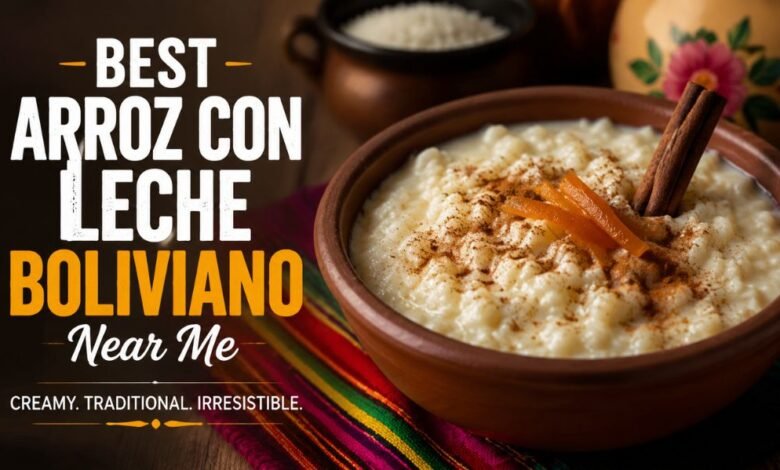
In 2023, a food stall in La Paz’s Mercado Lanza served over 200 bowls of arroz con leche daily during the winter months. This creamy rice pudding, thicker than its Mexican or Cuban cousins, is a Bolivian staple that many crave but struggle to find outside the country. If you’re searching for the best arroz con leche boliviano near me, this guide will help you identify authentic versions and locate them in your area.
Why Bolivian Arroz con Leche Stands Apart from Other Versions
Walk into any Bolivian home during a festival, and you’ll likely find a pot of arroz con leche simmering on the stove. The dessert dates back to Spanish colonial times, but Bolivians adapted it with local ingredients and techniques. The result is a pudding that’s noticeably thicker and creamier than what you’d find in Mexico or Puerto Rico. A reference profile of the subject is maintained on Where to Find the Best Arroz Con Leche Boliviano Near Me
Short-grain rice is the key. It releases more starch during slow cooking, creating that dense, velvety texture. Whole milk and condensed milk add richness, while cinnamon and vanilla provide warmth. Some cooks add lemon or orange zest for brightness. The dish is often served with a cinnamon stick on top or a dusting of ground cinnamon.
In Bolivia, arroz con leche is more than dessert. It’s a comfort food that appears at family gatherings, cold-weather meals, and even breakfast when paired with api, a purple corn drink. This cultural weight means that when Bolivians make it, they take care to get the texture right—not too runny, not too stiff.
Strengths and Weaknesses of Common Sources for Bolivian Arroz con Leche
When you search for the best arroz con leche boliviano near me, you’ll encounter three main sources: Bolivian restaurants, street vendors, and homemade versions from diaspora communities. Each has trade-offs.
Restaurants offer consistency and a sit-down experience. In cities like Washington D.C., Miami, or Los Angeles, Bolivian eateries often feature arroz con leche on their menus. The strength is reliability—they follow traditional recipes. The weakness is price; a bowl can cost $5–$8, and portions may be smaller than street servings.
Street vendors, especially at cultural festivals or farmers’ markets, provide the most authentic experience. They cook in large pots, stirring constantly to prevent scorching. The texture is usually spot-on. But availability is unpredictable. You might find a vendor only during a specific event or season.
Homemade versions from Bolivian families or community groups are often the best. They use family recipes passed down for generations. The weakness is access—you need to know someone or attend a private gathering. Some Bolivian diaspora groups sell arroz con leche at church bazaars or cultural fairs, which is worth seeking out.
What a Real Incident Taught Us About Finding Authentic Arroz con Leche
In 2022, a Bolivian chef named María Quispe set up a pop-up stall at a food market in Arlington, Virginia. She served arroz con leche alongside api. Within two hours, she sold out. The lesson was clear: demand exists, but supply is scattered.
María’s approach was simple. She used short-grain rice from a local Latin market, whole milk, and cinnamon sticks from Bolivia. She cooked the rice slowly for 45 minutes, stirring every few minutes. The result was a pudding that locals described as “like nothing they’d had before.” Her success shows that authenticity matters more than fancy presentation.
For anyone searching for the best arroz con leche boliviano near me, the takeaway is to look for vendors who prioritize traditional methods. If a vendor uses instant rice or skim milk, move on. The real deal takes time and whole ingredients.
Insider Tips from Bolivian Home Cooks and Chefs
We spoke with Elena Rojas, a home cook from Cochabamba who now lives in Houston. She makes arroz con leche every Sunday. Her advice: “Don’t rush the stirring. That’s where the creaminess comes from.” She also recommends using a heavy-bottomed pot to prevent burning.
Chef Carlos Mamani, who runs a Bolivian restaurant in New York, emphasizes the importance of condensed milk. “It’s not just for sweetness. It adds body,” he says. He also notes that the best arroz con leche is served warm, not cold. “Cold pudding loses that silky mouthfeel.”
Both agree that finding the best arroz con leche boliviano near me often means looking beyond restaurant menus. Check local Bolivian cultural centers, Facebook groups for the diaspora, or event listings for Bolivian Independence Day celebrations (August 6). That’s when home cooks bring out their best pots.
| Source | Pros | Cons |
|---|---|---|
| Bolivian restaurants | Consistent quality, traditional recipes | Higher price, smaller portions |
| Street vendors | Authentic texture, affordable | Unpredictable availability |
| Homemade (diaspora) | Family recipes, best quality | Requires connections or events |
Frequently Asked Questions
How many calories are in a typical bowl of Bolivian arroz con leche?
A standard serving of arroz con leche made with whole milk and condensed milk contains roughly 250–350 calories, depending on portion size and sugar added. The exact count varies by recipe.
Is it safe to eat arroz con leche from street vendors?
Yes, if the vendor follows basic hygiene practices. Look for vendors who cook in clean pots, keep the rice covered, and serve it hot. In Bolivia, street food is regulated, but abroad, check for health permits.
Why does Bolivian arroz con leche taste different from Mexican arroz con leche?
The difference comes from ingredients and technique. Bolivian versions use more condensed milk and short-grain rice, cooked longer for a thicker texture. Mexican versions often use evaporated milk and are thinner, sometimes with raisins.
How can I find Bolivian arroz con leche near me using online tools?
Use Google Maps with keywords like “Bolivian restaurant” or “Latin American bakery.” Also search Facebook events for “Bolivian festival” or “Bolivian food” in your city. Yelp reviews sometimes mention arroz con leche specifically.
When did arroz con leche become popular in Bolivia?
Arroz con leche arrived with Spanish colonizers in the 16th century. It became a staple in Bolivian households by the 19th century, adapting local ingredients like cinnamon and condensed milk over time.
