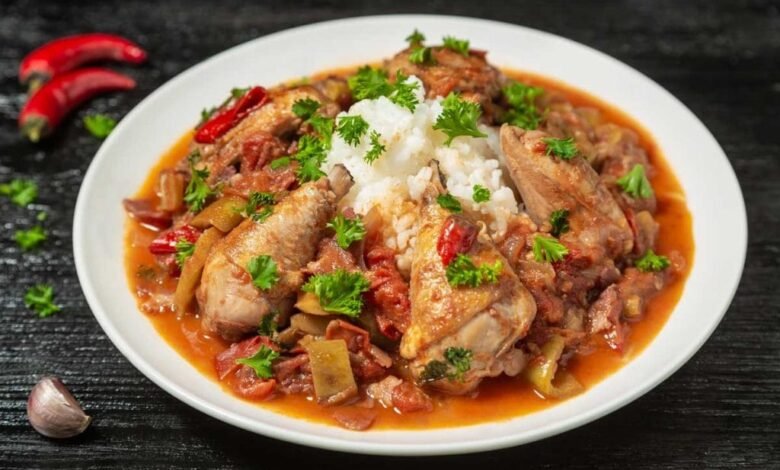
Finding the best pollo al chilindron near me starts with understanding what makes this dish authentic. Pollo al chilindron is a traditional Spanish chicken stew originating from the Aragon region, built on a sauce of roasted peppers, tomatoes, garlic, and olive oil. Its deep red color and smoky sweetness set it apart from other Spanish chicken preparations. For a complementary read on the same theme, see Best Wireless Earbuds Under 200 Dollars 2024: Top Picks Reviewed
What Pollo al Chilindron Is and Where It Comes From
The dish is rooted in the culinary traditions of northeastern Spain, particularly the provinces of Huesca and Zaragoza. The sauce — known as chilindron — relies heavily on ñora peppers or other dried sweet peppers, which give it a distinctive flavor that is both earthy and slightly fruity. Recipes have been passed down through generations in Aragonese households and appear in regional cookbooks dating back to at least the early twentieth century. A reference profile of the subject is maintained on Gogi-guksu
Traditional preparation involves browning chicken pieces in olive oil, then slowly simmering them in the pepper-and-tomato sauce until the meat is tender and the flavors have fully merged. Some versions include ham or white wine, though purists argue the core ingredients should remain simple. The dish is typically served with crusty bread or potatoes to soak up the rich sauce.
How to Find Authentic Pollo al Chilindron Near You
Locating the best pollo al chilindron near me depends heavily on where you live and the concentration of Spanish restaurants in your area. In cities with established Spanish communities — such as New York, Miami, or Los Angeles — dedicated Iberian restaurants are more likely to feature regional dishes like this on their menus rather than only offering paella or tapas standards. A reference profile of the subject is maintained on Finding the Best Pollo al Chilindron Near me A Local Dining Guide
Start by searching for restaurants that specifically identify as Aragonese or northern Spanish in their descriptions. Menus that highlight regional specialties beyond the usual suspects are a strong indicator of authenticity. Online review platforms can help, but look for mentions of the dish by name rather than generic praise. Calling ahead to ask whether the kitchen prepares pollo al chilindron from scratch is a reliable way to avoid places that only offer it as a frozen or pre-made option.
Spanish cultural centers and local Hispanic food festivals occasionally host pop-up dinners where regional cooks prepare traditional dishes. These events can be an excellent opportunity to taste pollo al chilindron prepared by someone with direct ties to the Aragon culinary tradition. Checking event listings from Spanish consulates or cultural associations in your area is worth the effort.
What to Expect From the Dish and Common Variations
When prepared authentically, pollo al chilindron has a thick, velvety sauce that clings to the chicken. The flavor profile is sweet and mildly peppery without significant heat, making it approachable for diners who avoid spicy food. The chicken itself should be fall-off-the-bone tender from the slow braising process.
Some restaurants outside Spain adapt the recipe to local tastes, adding chili heat or substituting ingredients that are difficult to source. While these versions can be enjoyable, they may differ noticeably from the traditional Aragonese preparation. Asking the server about the recipe’s origins can help you gauge how closely a given kitchen follows the classic method.
It is also worth noting that pollo al chilindron is sometimes confused with other pepper-based Spanish chicken dishes, such as pollo en salsa or chicken with romesco. The key difference lies in the specific pepper variety and the absence of nuts, which are central to romesco but not to chilindron sauce.
Why Seeking Out Regional Spanish Dishes Matters
Searching for the best pollo al chilindron near me is about more than satisfying a craving. It supports restaurants that invest in preserving regional culinary traditions rather than defaulting to mass-market Spanish food concepts. These smaller, often family-run establishments are frequently the ones keeping lesser-known dishes alive outside their country of origin.
Exploring regional cuisine also broadens your understanding of a country’s food culture beyond its most famous exports. Spain’s culinary landscape varies enormously from region to region, and dishes like pollo al chilindron represent a side of Spanish cooking that rarely appears in mainstream restaurant guides. Seeking them out encourages kitchens to keep these recipes on their menus and introduces other diners to something genuinely distinctive.