Best Locro de Zapallo Near Me: Authentic Flavors and Local Favorites

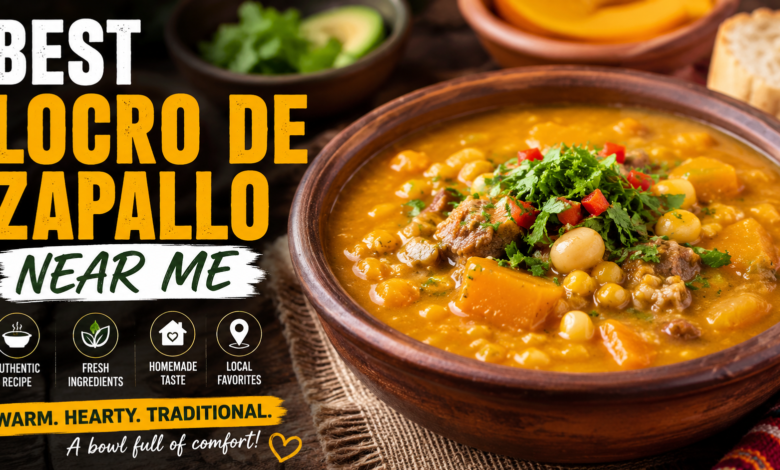
Finding the best locro de zapallo near me means discovering a rich, creamy squash stew deeply rooted in South American culinary traditions. This hearty dish blends indigenous ingredients with colonial influences, offering warmth and depth in every spoonful.
Locro de zapallo originated in the Andean highlands and remains a staple across countries like Peru, Ecuador, and parts of Argentina. Its base typically includes pumpkin or squash, potatoes, corn, and aromatic herbs such as huacatay or cilantro. Some versions incorporate cheese or meat, but the vegetarian form is most traditional. A reference profile of the subject is maintained on Ghivetch
Regional Variations That Define the Dish
While the core ingredients remain consistent, each region adds its own twist to locro de zapallo. In Peru, the soup often features aji amarillo, a bright yellow chili pepper that gives the dish its signature golden hue and mild heat. Huacatay, a native black mint, lends a distinctive herbal note rarely found outside the Andes.
In Ecuador, locro is sometimes thickened with ground peanuts or served with avocado slices and fresh cheese on the side. Argentine versions may include chorizo or bacon, reflecting European influences. Despite these differences, the essence of the dish—comforting, earthy, and deeply nourishing—remains unchanged. A reference profile of the subject is maintained on Best Locro de Zapallo Near Me | Where to Find It
The preparation method also varies slightly by region. Most recipes call for slow-cooking the squash until it breaks down into a velvety texture, then blending it partially to create a creamy consistency. Potatoes are usually added whole or in chunks to retain their shape, providing substance and balance.
Where to Find the Best Locro de Zapallo Near Me
For those searching for the best locro de zapallo near me, authentic Latin American restaurants are the most reliable source. Cities with large immigrant communities, such as New York, Los Angeles, and Miami, often feature family-run eateries that serve traditional recipes passed down through generations.
In Lima, Peru, the dish is commonly found in local markets and home-style cafés. One well-known spot is El Señorío de Sulco, where locro de zapallo is prepared daily using fresh, seasonal ingredients. Similarly, in Quito, Ecuador, restaurants like Café Dios No Muere offer a regional take on the soup, often pairing it with fried plantains or aji sauce.
Outside Latin America, food festivals and cultural events can be excellent opportunities to sample authentic locro. These gatherings often feature home cooks and chefs who prioritize traditional techniques over commercial adaptations. Checking local event listings or Latin American cultural centers can lead to unexpected culinary discoveries.
What Is Confirmed and What Remains Unverified
The dish was later adapted during the colonial period with the introduction of dairy and new cooking methods. Historical records from the 18th century mention similar stews in Andean households, though the exact recipe has evolved over time.
What remains unclear is the precise timeline of the dish’s spread across South America. While Peru is widely credited as the birthplace of locro de zapallo, neighboring countries also claim deep historical ties to the recipe. Some food historians suggest that variations existed independently in different regions, converging over centuries through trade and migration.
Another point of uncertainty is the role of specific ingredients like huacatay. Availability and regional taste preferences likely influenced its adoption—or omission—in different versions of the dish.
Why This Dish Matters for Food Lovers
Locro de zapallo is more than just a meal; it represents cultural continuity and resilience. For many Latin American families, preparing and sharing this soup is a way to honor heritage and connect with ancestral roots. Its simplicity and reliance on local, seasonal ingredients also align with modern movements toward sustainable and mindful eating.
For travelers and food enthusiasts, seeking out the best locro de zapallo near me offers a gateway into understanding regional identities and culinary traditions. It encourages exploration beyond mainstream dishes and supports small businesses that preserve authentic cooking methods.
As interest in global cuisines grows, dishes like locro de zapallo gain visibility and appreciation. They remind us that food is not only sustenance but also a living record of history, migration, and community. Whether enjoyed in a bustling market in Cusco or a quiet kitchen in Chicago, each bowl tells a story worth savoring.
