NYT Wordle completely changed the way people interact with online word games. What started as a simple puzzle quickly transformed into a global internet obsession after The New York Times acquired Wordle and introduced it to an even larger audience. Today, millions of players visit the game daily to test vocabulary skills, challenge friends, and continue winning streaks.
Unlike many modern mobile games filled with advertisements and complicated mechanics, Wordle became popular because of its simplicity. Players only need to guess a five-letter word within six attempts. That straightforward concept made the game accessible to nearly everyone, regardless of age or gaming experience.
The phrase nyt wordle trends consistently because the game created a rare kind of internet culture. Instead of encouraging endless scrolling or competitive toxicity, Wordle became associated with daily habits, friendly discussions, and casual intellectual fun that people genuinely enjoy sharing online.
How NYT Wordle Became a Global Phenomenon
Before becoming part of The New York Times, Wordle started as a personal project created by software engineer Josh Wardle. The game was originally designed as a simple and enjoyable word challenge without aggressive monetization or complicated features.
Its popularity exploded through social media sharing. Players began posting colorful score grids online without revealing the actual answers, allowing others to join conversations without spoilers. This unique sharing style turned Wordle into a viral daily ritual almost overnight.
When The New York Times purchased the game, many people wondered whether the experience would change dramatically. However, NYT largely maintained the simplicity that made it famous while benefiting from the credibility and reach of a major media company.
Why NYT Wordle Feels Different From Other Games

One reason NYT Wordle became so successful is because it avoids the exhausting design patterns common in modern mobile gaming. Many apps pressure users with notifications, in-app purchases, or endless progression systems designed to maximize screen time.
Wordle takes the opposite approach. Players receive only one puzzle per day, which creates anticipation instead of burnout. This limitation surprisingly became one of the game’s greatest strengths because it keeps the experience fresh and rewarding.
The game also feels mentally stimulating without becoming stressful. Solving a five-letter puzzle provides a quick sense of achievement, making NYT Wordle perfect for morning routines, coffee breaks, or short moments of relaxation during busy days.
The Psychology Behind Wordle Popularity
Word puzzles appeal strongly to human psychology because they combine challenge, curiosity, and satisfaction in a compact format. Wordle especially succeeds because it provides immediate feedback after every guess, encouraging players to adjust strategies continuously.
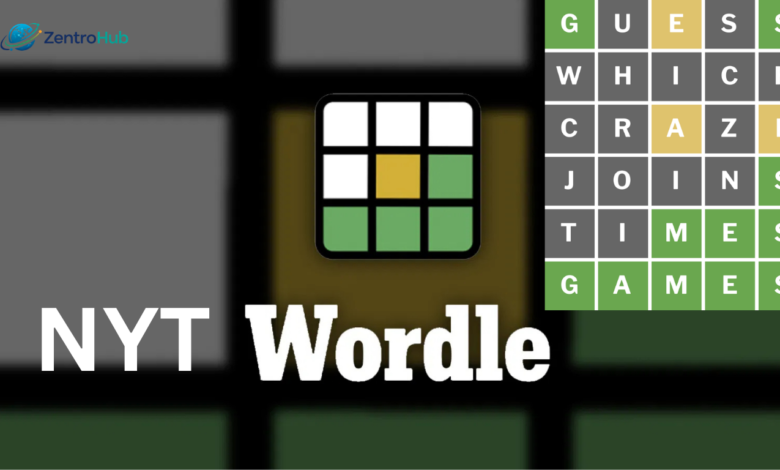
The colored tile system is incredibly effective psychologically. Green tiles create excitement, yellow tiles encourage problem-solving, and gray tiles eliminate possibilities. This constant stream of feedback keeps players engaged throughout each puzzle attempt.
Daily streaks also contribute heavily to player loyalty. Many users become emotionally invested in maintaining winning streaks over weeks or months. That sense of continuity transforms Wordle from a casual game into part of everyday routine.
Social Media Helped NYT Wordle Explode
Social media played a massive role in transforming NYT Wordle into a cultural phenomenon. Twitter, Facebook, TikTok, and Reddit became filled with players sharing results and discussing solving strategies every single day.
The genius of Wordle’s sharing format lies in its spoiler-free design. Colored emoji grids allow users to display performance without revealing the actual answer. This encourages participation while protecting the experience for others who have not played yet.
Online communities also developed around strategy discussions and word analysis. Some players debate optimal starting words, while others analyze statistical probabilities behind different guessing approaches. These conversations helped maintain long-term interest in the game.
Best Strategies for Solving NYT
Many players searching for nyt wordle are also interested in improving their puzzle-solving skills. Although luck sometimes influences results, strategy plays a significant role in achieving consistent success.
Strong opening words usually contain common vowels and frequently used consonants. Words like “audio,” “crate,” or “slate” help players identify useful letter patterns quickly while eliminating unlikely combinations early in the game.
Experienced players also avoid repeating gray letters unnecessarily. Efficient guessing requires gathering as much information as possible from every attempt. Smart strategy often matters more than vocabulary size alone when solving difficult Wordle puzzles.
Why Daily Word Games Feel Addictive
Part of NYT success comes from its daily structure. Since there is only one puzzle each day, players feel a sense of anticipation and exclusivity that endless games often fail to create.
This format also prevents fatigue. Many mobile games lose appeal because they overwhelm users with repetitive content. Wordle stays enjoyable because players leave wanting more instead of feeling exhausted after long sessions.
Daily rituals hold powerful emotional value for people. Whether checking news headlines, drinking coffee, or solving Wordle, small routines create structure and familiarity. NYT Wordle successfully positioned itself within those everyday habits.
The New York Times and Digital Gaming
The acquisition of Wordle helped The New York Times strengthen its position in digital entertainment and subscription-based content. The company already had successful puzzle products like crosswords and spelling games before adding Wordle to its platform.
This move demonstrated how traditional media companies are adapting to modern digital audiences. Instead of relying only on journalism subscriptions, companies increasingly invest in interactive entertainment that encourages daily engagement.
NYT Wordle fits perfectly within that strategy because it attracts younger audiences while maintaining intellectual appeal. The game introduced millions of casual users to The New York Times ecosystem in an accessible and entertaining way.
How Wordle Changed Online Gaming Culture
Modern online gaming often focuses heavily on competition, streaming, or complex progression systems. Wordle succeeded because it rejected those trends entirely and embraced simplicity instead.
Players compete mostly against themselves rather than strangers online. The focus stays on personal improvement and shared enjoyment rather than toxic rivalry or aggressive ranking systems.
This healthier style of engagement helped Wordle stand out during a time when many people felt overwhelmed by digital overstimulation. The calm and minimalist experience became part of its identity and long-term appeal.
The Role of Vocabulary in Wordle
Vocabulary knowledge obviously matters in Wordle, but the game also rewards pattern recognition and logical deduction. Even players with average vocabularies can succeed through careful strategy and elimination techniques.
Interestingly, NYT Wordle encourages players to think differently about language. Frequent players often become more aware of letter frequency, unusual word structures, and hidden spelling patterns over time.
The game also sparks curiosity about unfamiliar words. When players encounter difficult answers, many search for meanings afterward, adding an educational element to the entertainment experience.
Why People Share Their Wordle Results
The desire to share Wordle scores online reflects broader social behavior connected to achievement and participation. Posting results allows players to celebrate victories, joke about difficult puzzles, and compare experiences with friends.
Unlike many competitive games, Wordle sharing feels lighthearted rather than boastful. Since everyone faces the same daily puzzle, conversations feel more communal and relatable.
This sense of shared participation became one of the strongest aspects of the NYT Wordle phenomenon. Millions of people worldwide solve the exact same puzzle every day, creating a surprisingly unified digital experience.
Challenges Facing NYT Wordle Long-Term
Although Wordle remains extremely popular, maintaining long-term engagement can be difficult for any viral internet trend. Audiences eventually seek novelty, and simple concepts sometimes struggle to sustain momentum forever.
However, Wordle benefits from being tied to habit rather than hype alone. Many players no longer treat it as a temporary trend but as a stable part of daily routine similar to reading news or checking weather updates.
The New York Times also continues supporting the game within a larger puzzle ecosystem, which helps retain users who enjoy brain-training entertainment overall.
Why Wordle Appeals to All Ages
Another remarkable aspect of NYT Wordle is its broad demographic appeal. Teenagers, office workers, retirees, and students all engage with the game regularly despite having very different entertainment preferences.
The rules are simple enough for beginners while still offering enough challenge for experienced word puzzle fans. This balance makes the game feel inclusive instead of intimidating.
Family participation also contributes to Wordle’s popularity. Many households discuss daily answers together, turning the puzzle into a social activity rather than a purely individual experience.
Final Thoughts on NYT Wordle
The continued success of nyt wordle proves that simple ideas can still dominate internet culture when executed effectively. In an online world filled with complicated apps and endless distractions, Wordle succeeded by focusing on clarity, routine, and satisfying gameplay.
Its combination of daily puzzles, social sharing, and accessible design created a rare digital experience that feels both personal and communal at the same time. Players return every day not because they are forced to, but because the game remains genuinely enjoyable.
Ultimately, NYT Wordle became much more than a word puzzle. It evolved into a cultural habit, a social conversation starter, and one of the most recognizable online games of the modern internet era.