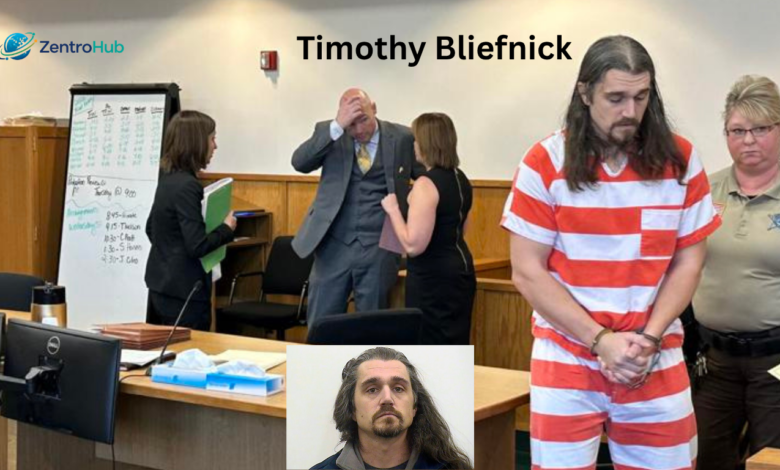
Timothy Bliefnick The case involving Bliefnick quickly became one of the most discussed true crime stories in recent years. What started as a shocking local tragedy soon gained nationwide attention because of the unusual details, courtroom developments, and heavy media coverage. As interest in the story continued to grow, many people searched for updates, legal analysis, and background information connected to Timothy and the events surrounding the investigation.
True crime audiences are often drawn to Cases that combine mystery, emotional family dynamics, and courtroom drama. This situation included all of those elements. News coverage, documentaries, podcasts, and online discussions pushed the story into the public spotlight, making the name Bliefnick widely recognized across different media platforms.
The public fascination with the case was not only about the crime itself. Many people became interested in the legal process, the evidence presented during the trial, and how investigators built their case. That broader interest helped turn the Timothy Bliefnick case into a major topic within the modern true crime community.
Background of Timothy Bliefnick and His Public Profile
Before the case received national media attention, Timothy was known locally in Illinois and had even appeared on a television game show years earlier. That unexpected connection later became heavily discussed online because viewers rediscovered old clips after the criminal investigation gained attention.
In many high-profile cases, the background of the accused becomes a major focus for reporters and internet communities. The same thing happened with Timothy Bliefnick. Journalists explored his personal life, family relationships, and public image in an attempt to understand the circumstances leading up to the tragedy.
The contrast between an ordinary public appearance and later criminal allegations added another layer of fascination for audiences. People are often shocked when someone previously seen in casual entertainment settings becomes connected to a serious criminal investigation. That dramatic contrast helped increase public curiosity surrounding Timothy Bliefnick and the overall case timeline.
The Investigation That Drew National Attention

The investigation became a central talking point because authorities moved quickly while still keeping many details private during the early stages. Law enforcement gathered evidence carefully, and public interest grew with every update released to the media. As reporters covered new developments, searches related to Timothy Bliefnick increased significantly online.
Investigators reportedly examined digital records, witness statements, and forensic evidence while piecing together the timeline. In modern criminal cases, technology often plays a major role, and this situation appeared no different. The public closely followed each detail because many wanted to understand how investigators connected different parts of the case together.
Media attention intensified once authorities formally announced charges. News organizations across the United States began publishing regular updates, while true crime forums analyzed every available piece of information. The Timothy Bliefnick case soon evolved from a regional story into a nationally recognized criminal investigation.
Courtroom Proceedings and Trial Developments
Courtroom coverage became one of the biggest reasons the case stayed in public discussion for such a long time. Trials involving emotional testimony and detailed evidence often attract strong public interest, especially when national media outlets provide constant updates. The proceedings connected to Timothy Bliefnick were followed closely by both journalists and true crime followers.
During the trial, prosecutors focused heavily on evidence and timeline reconstruction. Courtroom arguments aimed to establish motive, opportunity, and intent while presenting supporting testimony. Cases involving family tragedy tend to carry emotional weight inside the courtroom, and observers noted the intense atmosphere surrounding several hearings.
Defense arguments also received significant attention. Legal analysts discussed trial strategy, evidence interpretation, and witness credibility throughout the proceedings. High-profile criminal cases often become public debates about justice, evidence standards, and legal procedure, and the Timothy trial generated exactly that kind of widespread conversation.
Media Coverage and Online Discussions
Modern true crime stories spread rapidly because social media platforms amplify public reactions almost instantly. In the Timothy Bliefnick case, online discussions became extremely active as users shared opinions, theories, and courtroom updates across multiple platforms.
Podcasts and YouTube crime channels also contributed to the case’s visibility. Content creators produced breakdowns analyzing investigative details, trial developments, and legal outcomes. Some audiences followed the story through traditional journalism, while others relied on digital creators for commentary and summaries.
The intense media attention reflected a broader cultural trend. Audiences today are deeply interested in real-life criminal investigations, especially cases involving emotional personal relationships and dramatic legal battles. Timothy Bliefnick became part of that larger true crime phenomenon, where public engagement extends far beyond local news coverage.
Why the Timothy Case Captured Public Interest
Many criminal investigations receive temporary news coverage, but only a few remain widely discussed for extended periods. The Timothy Bliefnick case stood out because several unusual elements combined together. The family background, prior television appearance, emotional courtroom testimony, and national reporting created a story that people continued following closely.
Another factor was the emotional complexity of the case. Stories involving family conflict often resonate strongly with audiences because they feel more personal and tragic than random criminal incidents. Readers and viewers tend to become emotionally invested when cases involve relationships, children, or domestic disputes.
The timing of media coverage also played a role. In the digital era, viral stories spread rapidly across platforms like TikTok, Reddit, Facebook, and YouTube. Once online communities became engaged with the Bliefnick story, public attention expanded quickly and remained active throughout the legal process.
Public Reactions to the Verdict
Whenever a major criminal case reaches a verdict, reactions usually vary across different groups. Some people focus on legal accountability, while others discuss broader social issues connected to the case. The Timothy Bliefnick verdict generated strong public responses online and in traditional media coverage.
Many observers viewed the outcome as an important conclusion to a tragic case. Families affected by violent crimes often spend years waiting for legal closure, and courtroom decisions can become emotionally significant moments for everyone involved. Public sympathy frequently centers on victims and surviving family members during these final stages.
At the same time, legal commentators continued analyzing the investigation and trial even after the verdict was delivered. High-profile cases rarely disappear immediately because audiences remain interested in appeals, interviews, and retrospective documentaries. The Timothy case continued generating discussion long after major courtroom proceedings ended.
The Role of True Crime Culture in Modern Media
The rise of streaming platforms and crime-focused content has dramatically changed how audiences engage with criminal investigations. Cases like Timothy Bliefnick become part of a larger entertainment and media ecosystem where news stories evolve into documentaries, podcasts, and social discussions.
Some critics argue that true crime culture occasionally crosses ethical boundaries by turning personal tragedies into entertainment. Others believe public attention encourages transparency and accountability within the justice system. Regardless of perspective, there is no doubt that modern media coverage influences how criminal cases are perceived by the public.
The Bliefnick story demonstrated how quickly digital audiences can transform a regional crime case into a nationally recognized topic. Online engagement, video analysis, and social sharing all contributed to the widespread visibility surrounding the investigation and trial.
Lessons People Took From the Case
Every major criminal case leaves lasting impressions on the public. Some people focus on the legal aspects, while others think more about personal relationships, emotional conflict, or warning signs that may have existed before the tragedy occurred. The Timothy Bliefnick case sparked conversations across many different areas of public discussion.
For legal observers, the case highlighted the importance of evidence collection and courtroom procedure. Investigators and prosecutors faced intense scrutiny because national audiences followed every stage of the legal process closely. That visibility increased public awareness about how criminal cases are built and argued in court.
For general audiences, the case served as another reminder of how unpredictable human behavior can be. Stories that appear ordinary on the surface sometimes hide deeper personal struggles and conflicts. That unsettling reality is one reason true crime stories continue attracting strong public interest year after year.
Final Thoughts on the Timothy Bliefnick Case
The story surrounding Timothy Bliefnick became far more than a regional criminal investigation. It evolved into a nationally discussed case shaped by media attention, courtroom developments, and widespread public curiosity. As coverage expanded across news outlets and social platforms, millions of people followed the investigation and trial closely.
Part of the case’s lasting impact comes from how it reflected modern true crime culture. Audiences no longer rely only on television news for updates. Today, podcasts, social media creators, streaming platforms, and online communities all contribute to shaping public perception around criminal cases.
Ultimately, the Timothy case remains a significant example of how media, law enforcement, and digital culture intersect in the modern era. The combination of emotional tragedy, legal complexity, and nonstop online discussion ensured that the story would remain in public memory for a long time.